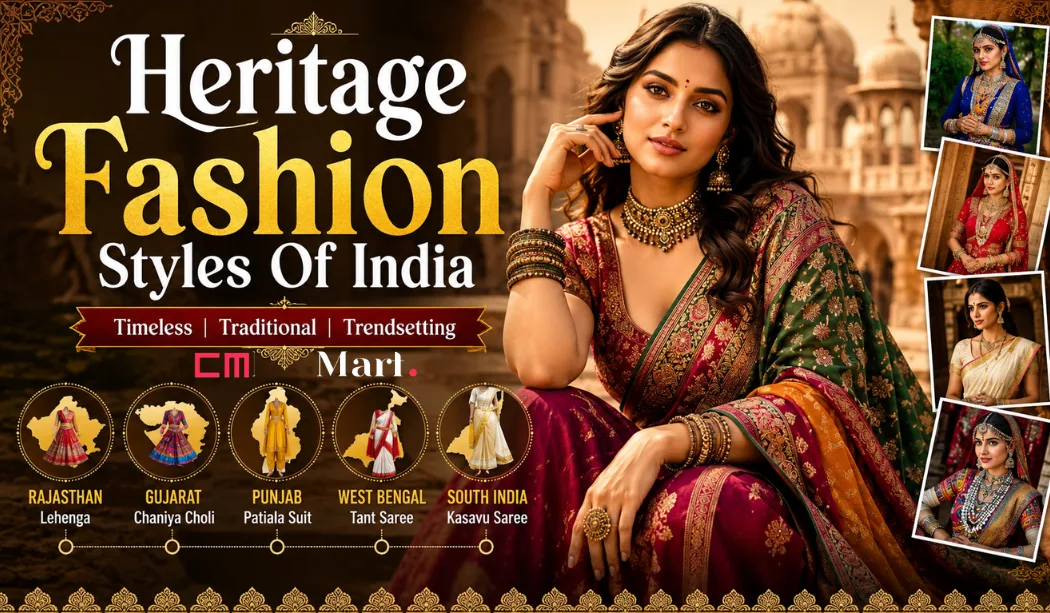
Stepping into the world of Heritage Fashion Styles Of India is like taking a colorful walk through history. Indian clothing is much more than fabric; it tells beautiful stories of royal kings, local artisans, and ancient traditions. From the gorgeous, shiny silk sarees of the South to the delicate hand-embroidery of the North, these styles celebrate rich culture and incredible human skill. Today, this beautiful traditional clothing is loved all over the world, showing everyone that true style never goes out of fashion.
What is the Oldest Heritage Fashion Style in India?
The story of fashion in India goes back thousands of years. The oldest heritage clothing style is the draped garment, like the sari and the dhoti. Historically, people in the Indus Valley Civilization wore simple cotton cloths draped around their bodies. They did not use stitches or buttons. This ancient technique allowed fabrics to breathe in the hot tropical weather. Over time, these simple drapes turned into beautiful clothing. Today, they remain a symbol of timeless elegance.
Why is Indian Heritage Fashion Becoming Popular Again?
Traditional clothing is making a massive comeback. People want to connect with their roots and celebrate their unique culture. Additionally, the global movement toward slow fashion is driving this change. Handloom fabrics last a long time, and buying them supports local weavers. Celebrities wear handwoven outfits on red carpets, making traditional styles cool for younger generations. This combination of history, sustainability, and star power is driving the revival of Indian heritage fashion.
Read Also: Traditional Wedding Attire In India: Top 10 Bridal Outfits
Top 10 Heritage Fashion Styles Of India
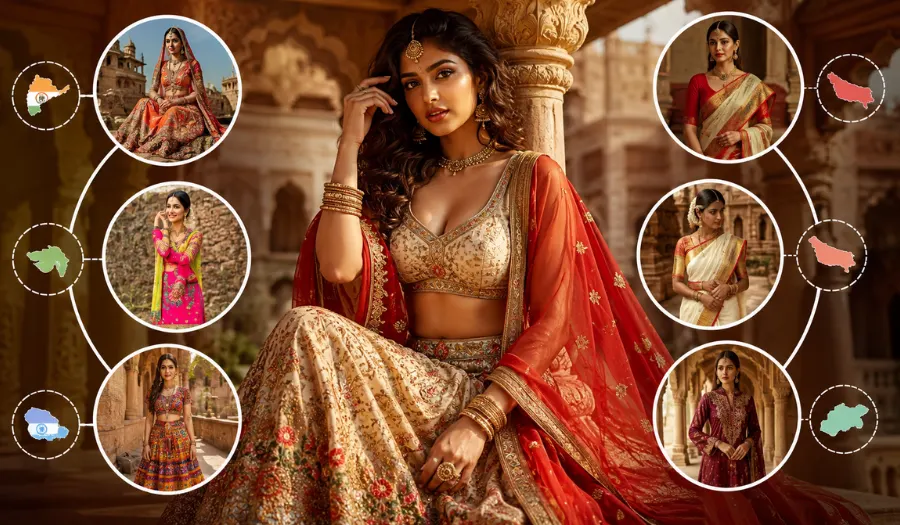
India's fashion landscape is incredibly diverse. Here are ten iconic styles that highlight the country's rich textile history:
- Banarasi Silk Sarees: Luxurious silk woven with real gold and silver threads from Varanasi.
- Kanjeevaram Sarees: Vibrant, durable silk garments from South India featuring thick borders.
- Chanderi Weaves: Lightweight, sheer fabrics from Madhya Pradesh made of silk and cotton.
- Chikan Embroidery: Delicate and artistic shadow work hand-stitched onto fabric in Lucknow.
- Bandhani Tie-Dye: Colorful, dotted patterns made by tying tiny knots in fabric in Gujarat and Rajasthan.
- Phulkari: Bright, flower-shaped geometric embroidery from Punjab done on coarse cotton cloth.
- Pashmina Shawls: Ultra-soft, warm shawls hand-spun from fine cashmere wool in Kashmir.
- Kalamkari Prints: Intricate, hand-painted or block-printed cotton textiles from Andhra Pradesh.
- Kasavu Sarees: Simple, elegant white or cream cotton drapes with stunning golden borders from Kerala.
- Sambalpuri Ikats: Unique tie-dye patterns woven directly into the fabric threads in Odisha.
The Incredible Heritage Fashion Styles Of India
Exploring the Heritage Fashion Styles Of India reveals how geography and culture shape clothing. Each region uses its own fabrics, colors, and patterns. These styles are more than just outfits; they are wearable art passed down through families. From deserts to mountains, Indian clothing reflects local environments and traditions.
Understanding the Roots of the Heritage Fashion Styles Of India
To truly appreciate the Heritage Fashion Styles Of India, we must look at how local artisans work. Weavers use wooden handlooms to create complex patterns without modern machines. Dyers collect plants, roots, and flowers to make natural colors that do not harm the earth. For centuries, kings and queens supported these artists, helping different styles grow into royal Indian attire.
Heritage Fashion Styles Of India for Ladies
Traditional options for women go far beyond the standard sari. Many regions feature distinct legal and cultural garments that offer both comfort and beauty.
Exploring Heritage INDIA Clothing for Women
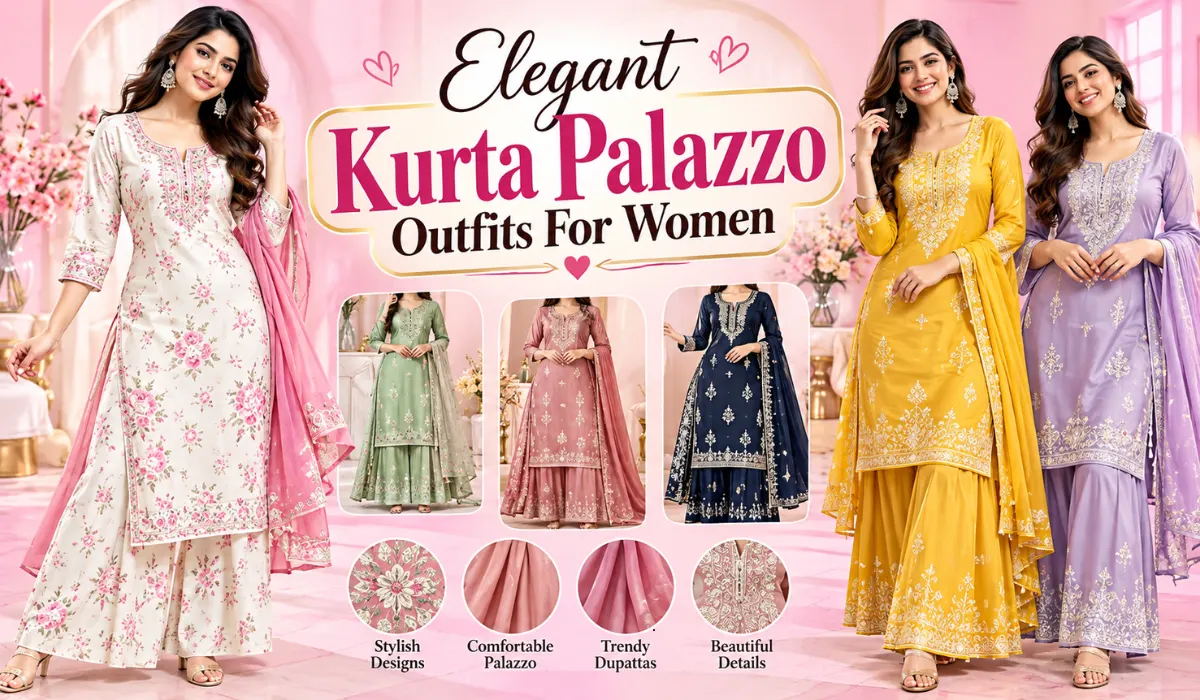
The lehenga choli is a favorite choice for major celebrations, consisting of a long skirt, a short blouse, and a draped scarf. Another classic option is the salwar kameez, which features comfortable tunics paired with loose pants. In Rajasthan and Gujarat, women wear the gaghra choli, a bright outfit adorned with tiny mirrors that catch the light beautifully.
Heritage Fashion Styles Of India for Girl and Young Explorers
Younger generations are putting their own twist on classic looks. Young girls often wear lightweight pattu pavadai, which are silk skirts and blouses common in South India. For festivals, many choose simple cotton lehengas or Anarkali suits that allow them to run around and play freely. These designs keep children comfortable while keeping traditions alive.
Heritage Sare Sarees of India Explained
The sari is a versatile piece of unstitched cloth that can be draped in over eighty different ways. It is a true masterpiece of Indian fashion design.
Types of Indian Handloom Sarees
Every region has its own signature drape. West Bengal is famous for its crisp Tant cotton sarees, which are perfect for hot summer days. Assam produces beautiful Muga silk sarees that feature a natural golden shine. Maharashtra is known for the Paithani sari, which features gorgeous peacock designs handwoven into its silk borders.
Kanjeevaram vs Mysore Silk Saree
Choosing between these two legendary Southern silks comes down to weight and texture:
| Feature | Kanjeevaram Silk | Mysore Silk |
| Origin | Tamil Nadu | Karnataka |
| Texture | Thick, heavy, and very firm | Soft, smooth, and lightweight |
| Gold Thread | Heavy gold zari work | Pure silk with solid gold borders |
| Best For | Grand weddings and festivals | Elegant evening parties |
Traditional Fashion vs Modern Indian Fashion
Old-school fashion focuses on pure fabrics, regional drapes, and heavy embroidery. Modern Indian fashion brings a fresh perspective by blending comfort with heritage. Today, people wear modern heritage fashion styles of India, such as pairing a classic silk sari with a crop top or wearing a jacket over a tunic. This blend makes traditional styles functional for daily life, office wear, and travel.
Read Also: Western Wear for Indian Women: Top 10 Trends
Traditional Wedding Dresses in India by Region
Indian weddings are a spectacular showcase of regional craftsmanship and heritage. Brides across the country wear distinct outfits that honor their local roots:
- North India: Brides often wear heavy red lehengas with intricate gold embroidery.
- South India: Brides typically wear bright Kanjeevaram silk drapes with thick gold borders.
- East India: Bengali brides wear red silk saris paired with delicate white headpieces.
- West India: Maharashtrian brides wear green silk saris draped in a unique trouser style.
How is Traditional Indian Jewelry Matched with Outfits?
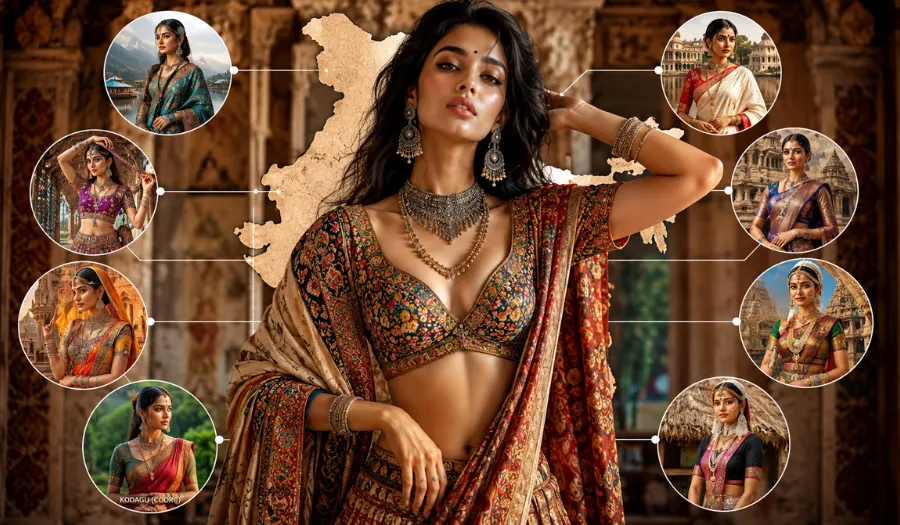
The right jewelry completes a traditional Indian look. Different styles pair beautifully with specific garments:
- Kundan and Polki: These uncut diamond styles look stunning with heavy bridal lehengas.
- Temple Jewelry: Chunky gold pieces featuring god and goddess designs pair perfectly with South Indian silks.
- Silver Oxidized Jewelry: Bohemian metal jewelry looks fantastic with cotton clothing and tie-dye prints.
Expert Perspective
"Indian heritage textiles are unique because they carry the human touch. Every single imperfection in a handwoven thread tells the story of the artisan who made it. This human element makes the clothing impossible to replicate with a machine." — Radhika Shah, Textile Historian & Design Consultant
Frequently Asked Questions
What makes an authentic handloom sari special?
An authentic handloom sari is woven by hand on a wooden structure. It takes days or weeks to finish, and the weave has small variations that machine-made fabrics cannot copy.
How should I wash and care for heritage silk clothing?
Always dry-clean expensive silks to protect the natural threads and gold embroidery. Store them in soft cotton bags away from moisture and direct sunlight.
Can I wear traditional Indian clothing for everyday office work?
Yes. Short tunics, cotton shirts with traditional block prints, and simple cotton saris are very comfortable and stylish for professional workspaces.
Why do wedding dresses in India feature so much red?
In Indian culture, red represents joy, prosperity, and new beginnings, making it a very lucky color for brides.
Where can I buy real, authentic Indian handloom fabrics?
Look for certified government stores or verified artisan cooperatives that carry official quality marks.