Are you wondering what makes so many dream of long, luscious and shining hair, just like the heroines and heroes of films? Since the beginning of time, folks from all over India have handed down incredible techniques for beauty through generations. These tried-and-true methods don't depend on costly cosmetics or fancy bottles bought available at the supermarket. Instead, they make use of the most basic ingredients from your kitchen and plant species that thrive in your backyard.
I am a lover of exploring the beauty and wellness practices all over the world I have spent a lot of time looking into these effective methods. If we discuss Traditional Indian Hair Care Secrets it is taking a look at an treatment which treats your hair and scalp like an organic plant. The hair needs to be fed by hair roots for healthy hair shafts. This guide will discuss the best methods to integrate these ancient methods in your day-to-day life to achieve incredible result.
What Are the Best Indian Hair Care Traditions?
A lot of people wonder, what are the most effective Indian hair-care practices which keep hair looking beautiful? The answer is in an amazing mix of washing, oiling as well as regular massages to the scalp. Over the years, families have made time in their week to enjoy a full treatment for hair. This isn't simply a chore. It can be a relaxing ritual for self-care.
Understanding the Roots of Ancient Wisdom
The basis of these traditions originates from Ayurveda which is an ancient form of medical practice which originated from India. Ayurvedic doctrine teaches that bodies are composed of various naturally occurring elements. When the elements in question are in harmony, hair could get dry, thin or dry.
- The scalp is oily: Massaging warm oils on the scalp boosts blood flow to hair the follicles.
- Herbal shampoo: Using powders like Shikakai or Reetha is a great way to clean your hair without washing away natural oils.
- Fresh masking The application of fresh pastes of fruits and leaves makes the strands stronger and smooth.
Read Also: Indian Beauty Care For Festive Season: Easy Tips for Glowing Skin
Why Are Indian Hair Care Traditions Effective?
Have you ever thought why Indian traditional haircare methods efficient even though modern hair care products can sometimes fail? The answer is easy Nature provides precisely what we require for our hair, with no harsh adverse negative effects. Today's products usually include parabens and sulfates that cover hair with plastic-like layers. However, traditional treatments concentrate on nourishment deep as well as natural healing.
The Science Behind Natural Ingredients
If we take a closer look at old Indian hair growth techniques and techniques, we discover powerful herbs that are backed by scientific research and historical evidence. The herbs bhringraj and amla are brimming with antioxidants and vitamins.
"True hair health starts at the scalp. When you feed your scalp nutrient-rich natural oils and herbs, you create the ideal environment for thick, strong hair to thrive." -- Dr. Sunita Sharma, Ayurvedic Botanist
- Amla (Indian Gooseberry): It is rich with Vitamin C to prevent premature graying, and to boost collagen.
- Bhringraj It is known as the "King of Herbs" for the speed of the growth of hair.
- Neem An effective plant which fights dandruff. It also keeps the scalp fresh and clean.
Top 10 Traditional Indian Hair Care Secrets
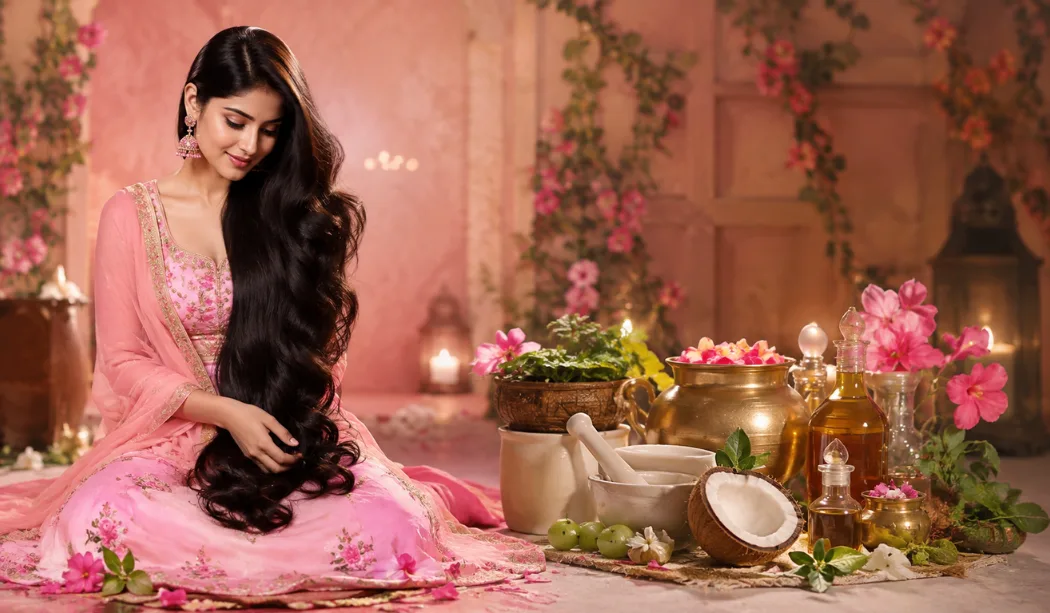
We'll get right to what is at the root of the problem. These are the top 10 traditional Indian hair Care Secrets that you are able to implement today in your home.
- Warm Oil Massages Make sure to warm the hair oil prior to application for improved absorption.
- Utilize the pure Coconut Oil Make use of coconut oil cold-pressed to provide every day security.
- Rinse using Rice Water: Save the rinse water that washes rice and use it as an extra shine-enhancing rinse.
- Use the Aloe Vera Gel: Use fresh aloe vera right from the plant for calming the scalp that is itchy.
- Fenugreek Seed Soaks Infuse methi seeds for a night before grinding into a fine paste to prevent hair loss.
- Flowers of Hibiscus Smash hibiscus flower petals and leaves for the natural conditioner.
- Limit heat styling: Allow your hair to air dry naturally in the sun as often as it is possible.
- Comb using Wooden Brushes: Swap plastic combs with neem wood combs in order to decrease static and spread natural oils.
- A Balanced Diet: Include iron-rich foods including nuts, fresh fruit in your daily food intake.
- Make sure your hair is protected in the evening: Sleep on a silky pillowcase that is soft to help prevent damage and friction.
How to Follow Traditional Indian Hair Care Secrets
The rules are easy to understand however, being aware of the best ways to practice the ancient Indian haircare techniques within a busy, life requires some organizing. It is not necessary to work for hours each day working on your hair. A routine that is simple and regular works great.
Read Also: Top Beauty Benefits Of Rose Water for Skin Care
Creating Your Weekly Routine
Establishing a regular Indian routine for your hair for development is about the balance. Spend one evening per week to deep conditioning and ensure that your maintenance routine is easy and quick.
- Sunday evening: Apply warm oil then massage it gently. let it sit overnight.
- Monday morning: Wash your hair with a natural cleanser.
- In the middle of week: Spray a light spray of green tea or rosewater to rehydrate your hair.
Best Traditional Indian Hair Care Remedies
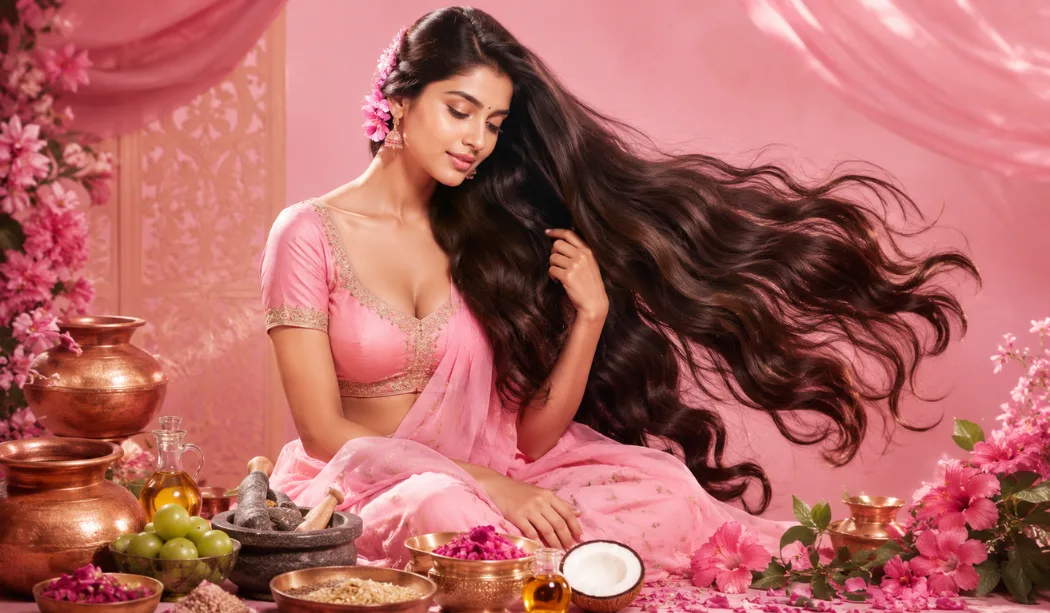
If your hair requires a little some extra attention, try the best Traditional Indian treatments for hair that have been handed down through the millennia. The following DIY recipes are made with ingredients you can find in the kitchen cupboard.
Homemade Ayurvedic Hair Mask
The process of making an homemade Ayurvedic scalp mask is an enjoyable and simple weekend activity.
- Two spoons of powdered amla.
- Mix two spoons of yogurt as well as 1 spoon of honey.
- Mix them together to make the consistency of a fine paste.
- It is applied from the root to the tips, and let it sit for 30 minutes prior to washing.
Traditional Remedies for Scalp Dryness
If you are suffering from scalp itching and flakes, Traditional remedies for scalp dryness provide instant relief. Applying pure sesame oil, and warm mustard oils onto your scalp can help retain moisture.
Nourishing Your Strands for Softness and Strength
Healthy hair is also about making sure your hair is soft, as well as avoiding painful splits and snaps.
Indian Hair Care Ingredients for Soft Hair
Making use of the correct Indian hair-care ingredients to soften hair could transform the straw-like, dry locks into silk.
- Yogurt It is a great source of protein as well as water.
- Honey and Banana Smoothes rough texture quickly.
- Curry Leaves Naturally strengthens hair roots.
Indian Natural Remedies for Hair Breakage
Achieving a satisfactory result with snapped hair strands could cause a lot of frustration. Indian home remedies to treat breaking hair concentrate on reshaping the shaft of hair from the exterior inside. The application of an onion juice mask at least once per week can provide sulfur that assists in rebuilding weak hair bonds.
Traditional Indian Hair Care vs Modern Hair Care
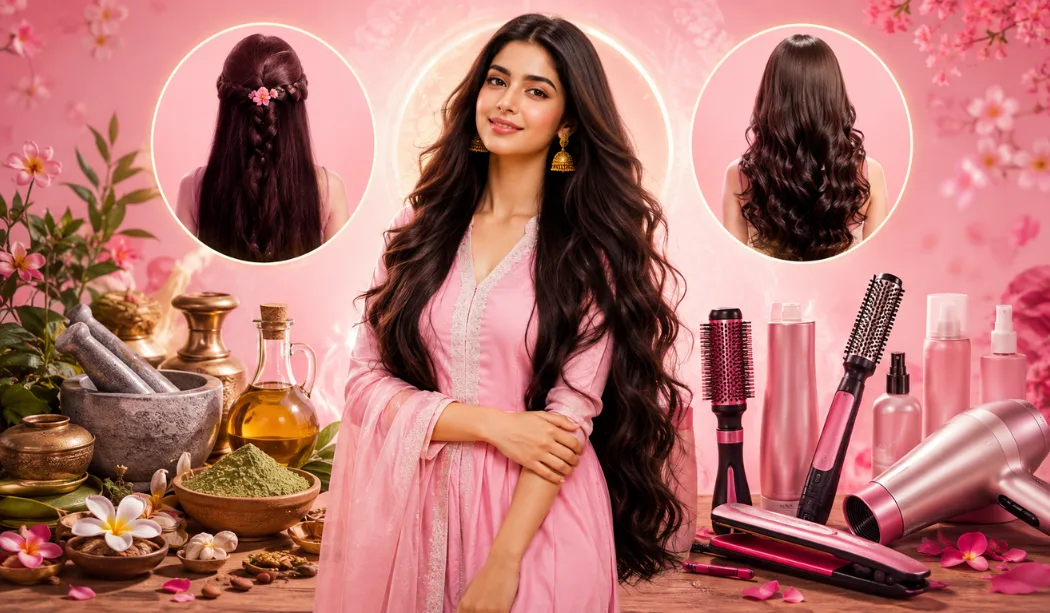
A lot of beauty enthusiasts have a heated debate about traditional Indian hair care and modern hair treatment. Although modern hair care products are quick in convenience, they typically mask problems instead of solving problems.
Homemade Hair Remedies vs Store-Bought Products
If you are looking at the comparison between homemade hair products vs commercially-produced products The main distinction is the transparency. In the case of homemade products you can see every ingredient that goes on the skin.
- Purchased from a store: Contains synthetic fragrances Preservatives, foaming agents.
- Custom-made 100 100% natural, inexpensive and tailored to meet the needs of you.
The Secret Power of Indian Hair Oil for Growth and Thickness
If you are looking for the longest and most thick hair then using Indian oil for hair to aid in thickening and growth is essential. Massage your scalp stimulates microcirculation that wakes your hair's follicles that are resting.
Read Also: Top 10 Professional Beauty Tips India for Radiant Skin And Hair
Choosing the Right Oil Base
- Coconut Oil The best choice for daily cooling and for long-term conditioning.
- Amla Oil Ideal for hair with dark hair, shiny, and thick hair.
- Almond oil: Excellent for adding instant shine and softness.
Frequently Asked Questions
Can I use traditional Indian hair care secrets on colored hair?
Yes, absolutely! The natural oils and herbal treatments such as amla and hibiscus can be extremely gentle and can actually keep color treated hair from becoming faded or becoming dry.
How often should I oil my hair using traditional methods?
If you want to get the most results, make sure to massage your hair and scalp 2 up to three times each weekly. It is possible to leave the oil in place overnight, or for an hour or more prior to getting it rinsed out.
Are traditional remedies safe for sensitive scalps?
They do, as they employ pure ingredients and do not contain harmful chemical ingredients. It is recommended to conduct a short testing of your wrist prior to applying a brand new plant to your scalp.
Final Thoughts
Accepting traditional Indian Adopting Traditional Indian Care Secrets is more than a simple beauty regimen. It is an expression of self-care as well as ancient wisdom. In exchange for harsh chemical bottles with nourishing oils made from natural ingredients, natural masks, and soft wooden combs, you are giving your hair real well-being. Be consistent, start small and you will see your hair change to its most beautiful attractive, sturdy, and healthy hair!
Other Articles